
If you run regularly, you’ve probably felt a nagging ache or tightness at some point. These early signs can be your body’s way of warning you about common issues like shin splints or runner’s knee mobile podiatrist perth. Ignoring them might lead to more serious injuries that disrupt your routine. Understanding what causes these problems and how to address them early can make all the difference in staying healthy and on track.
Common Running Injuries and What Causes Them
Although running offers great health benefits, it can also lead to injuries if you’re not careful. You might experience issues like shin splints, plantar fasciitis, or runner’s knee, which all stem from repetitive stress on your muscles and joints.
Overuse, improper footwear, and poor running form often cause these injuries. When your body doesn’t get enough time to recover or the impact becomes too much People Podiatry, pain and damage can quickly follow.
You want to keep your freedom to run without limits, so understanding these common injuries helps you avoid them. Being aware of what causes them lets you make smarter choices about your training, gear, and rest. That way, you can enjoy every run without setbacks holding you back.
How to Spot Early Signs of Running Injuries
Knowing the common causes of running injuries is only part of the equation—you also need to recognize the early signs before they turn into serious problems. Pay attention to unusual aches or persistent discomfort that doesn’t fade after rest. If you notice sharp pain, swelling, or stiffness, don’t ignore it.
Early signs often show up as subtle changes: a slight limp, increased fatigue, or tightness in muscles and joints. Tune into how your body feels during and after runs. If something feels off, slow down or take a break. Catching these signs early lets you adjust your routine and seek help if needed, keeping you free to run without being sidelined by injury. Stay alert, listen closely, and protect your freedom to move.
Practical Tips to Prevent Running Injuries
To keep injuries at bay, you need to build smart habits into your running routine. Start by warming up properly to prepare your muscles and joints for the run. Gradually increase your mileage and intensity—avoid pushing too hard too soon. Choose supportive, well-fitting shoes that suit your running style, and replace them regularly.
Listen to your body; if something feels off, don’t ignore it. Incorporate strength training and flexibility exercises to improve muscle balance and joint stability. Vary your running surfaces to reduce repetitive impact stress. Stay hydrated and fuel your body with nutritious food to support recovery.
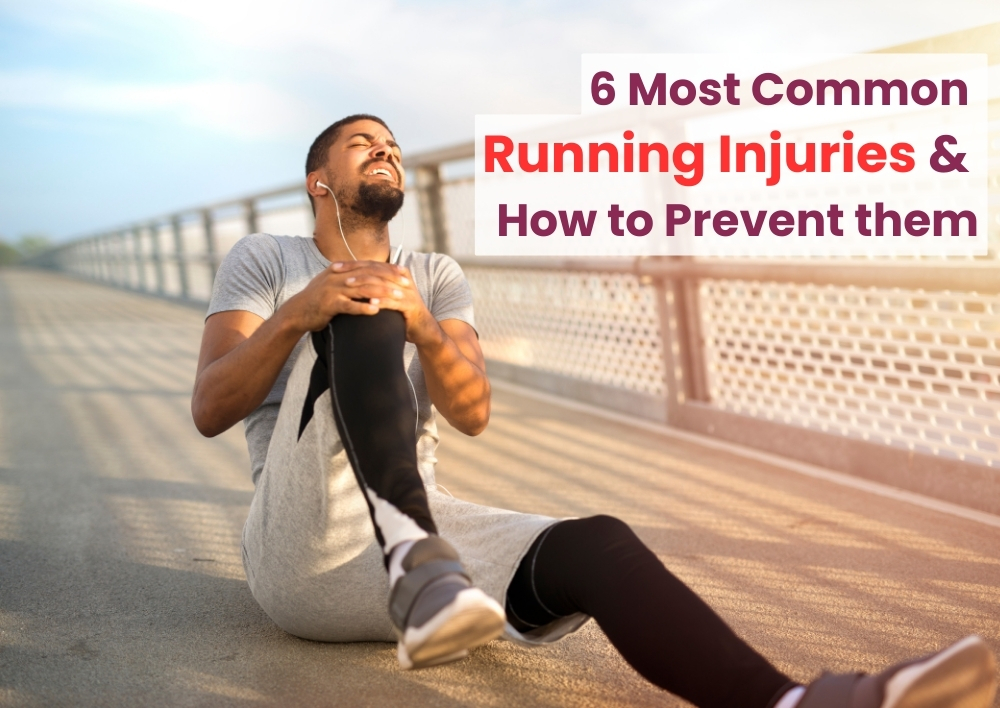
Best Recovery Practices for Common Running Injuries
Recovering from running injuries requires a focused approach that balances rest, rehabilitation, and gradual return to activity. You want to regain your freedom to run without pain or limitations, so follow these best practices:
- Rest Smartly – Avoid pushing through pain. Give your body time to heal but keep light movement to maintain flexibility and circulation.
- Rehabilitate Wisely – Use targeted exercises to strengthen injured areas. Incorporate stretches and mobility work to restore function.
- Return Gradually – Ease back into running with shorter, slower sessions. Listen to your body and increase intensity step-by-step to prevent setbacks.
When to See a Doctor for Running-Related Pain?
While following proper recovery steps can help many running injuries heal, some pain signals that you should seek medical advice.
If your pain is severe, lasts more than a week despite rest, or worsens with activity, it’s time to see a doctor.
Don’t ignore sharp, stabbing sensations or swelling that doesn’t go down.
Also, if you experience numbness, weakness, or difficulty walking, these could indicate a more serious problem.
Listening to your body means knowing when to push and when to pause. Seeking professional help early can prevent minor injuries from becoming chronic and keep you running freely.
Conclusion
You can enjoy running pain-free by listening to your body and acting on early warning signs like persistent aches or sharp pain. Prevent injuries with proper warmups, supportive shoes, and gradual training increases. Don’t ignore niggles—rest, rehab, and strength work help you recover safely. If pain lingers or worsens, see a doctor promptly. Taking these steps keeps you on track and running strong, letting you focus on the joy of hitting the road or trail.


